

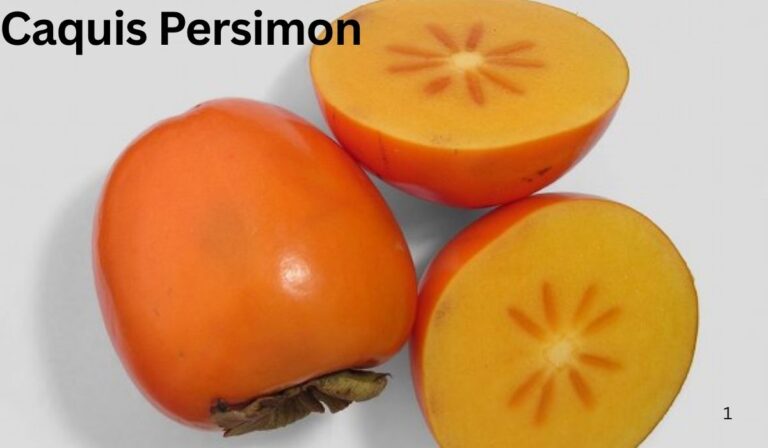
In recent years, fruit lovers around the world have shown growing interest in unique and flavorful fruits that offer both excellent taste and nutritional value. Among these fruits, Caquis Persimon has gained significant attention for its sweet flavor, attractive appearance, and convenient seedless nature. Originally cultivated and popularized in Spain, this premium variety of persimmon has become a favorite among consumers who appreciate healthy, naturally sweet foods. Unlike some traditional persimmons that can be overly astringent when unripe, Caquis Persimon is carefully cultivated and processed to provide a pleasant eating experience while maintaining its nutritional benefits.
The popularity of Caquis Persimon continues to rise because it appeals to a wide range of consumers, from health-conscious individuals to culinary enthusiasts seeking versatile ingredients. Its bright orange color, crisp texture, and rich sweetness make it suitable for fresh consumption as well as inclusion in various recipes. This comprehensive guide explores everything you need to know about Caquis Persimon, including its origin, nutritional profile, cultivation methods, health benefits, culinary uses, storage techniques, and future market potential.
Quick Information Table About Caquis Persimon
| Information Category | Details |
|---|---|
| Common Name | Caquis Persimon |
| Fruit Type | Premium Persimmon Variety |
| Scientific Species | Diospyros kaki |
| Primary Origin | Spain |
| Color | Bright Orange |
| Texture | Firm and Crisp |
| Taste | Sweet and Mild |
| Seed Content | Typically Seedless |
| Harvest Season | Autumn |
| Rich In | Fiber, Vitamins, Antioxidants |
| Main Export Markets | Europe, Asia, North America |
| Shelf Life | Relatively Long When Stored Properly |
| Popular Uses | Fresh Eating, Salads, Desserts |
| Calories | Moderate and Healthy |
| Consumer Appeal | Sweet Flavor and Easy Consumption |
Understanding the Origins of Caquis Persimon
The story of Caquis Persimon begins with the cultivation of persimmons, a fruit that has been enjoyed for centuries in various parts of Asia. While persimmons originated primarily in East Asia, the specific branding and commercial success of Caquis Persimon are closely linked to Spain. Spanish growers recognized the potential of producing a premium persimmon variety that could appeal to international markets. Through careful agricultural practices and quality control measures, they developed a product that maintains consistent sweetness, firmness, and visual appeal.
Over time, Caquis Persimon became recognized as a high-quality fruit capable of competing with other premium fresh produce. Its reputation spread across Europe and eventually reached consumers worldwide. Today, the fruit symbolizes successful agricultural innovation, combining traditional cultivation methods with modern quality standards to deliver a superior product.
What Makes Caquis Persimon Different from Traditional Persimmons?
Many consumers wonder what separates Caquis Persimon from ordinary persimmons. One of the most noticeable differences is its texture. Traditional persimmons often require complete ripening before they can be consumed comfortably, as they may possess strong astringency when firm. Caquis Persimon, however, undergoes specialized post-harvest treatment that significantly reduces astringency while maintaining firmness.
Another important distinction is convenience. Since the fruit is generally seedless and easy to slice, it offers a more user-friendly eating experience. Consumers can enjoy it much like an apple, without worrying about excessive softness or unpleasant bitterness. Additionally, its uniform appearance and dependable flavor profile contribute to its premium market positioning and growing popularity among fruit enthusiasts.
Physical Characteristics and Appearance
One reason why Caquis Persimon stands out in grocery stores is its striking appearance. The fruit typically features a vibrant orange skin that immediately attracts attention. Its smooth surface and symmetrical shape make it visually appealing and ideal for display in retail environments. The bright coloration also serves as an indicator of the carotenoid pigments present within the fruit.
Internally, the flesh is dense, juicy, and crisp. Unlike some softer persimmon varieties that become jelly-like when fully ripe, Caquis Persimon retains a pleasant firmness. This unique texture contributes to its versatility in culinary applications and makes it easier to transport without damage. The combination of beauty, durability, and flavor helps explain why the fruit continues to gain market share worldwide.
Nutritional Profile of Caquis Persimon
Nutritionally, Caquis Persimon offers an impressive range of beneficial compounds that support overall health and wellness. It contains dietary fiber, which plays an important role in digestive health and helps promote feelings of fullness. The fruit is also a valuable source of vitamin C, which contributes to immune function and supports collagen production within the body.
In addition to vitamin C, Caquis Persimon contains vitamin A precursors such as beta-carotene. These compounds support eye health and help maintain healthy skin. Potassium is another important nutrient found in the fruit, contributing to proper muscle and nerve function. Combined with its naturally low-fat content, these nutritional attributes make Caquis Persimon an excellent addition to a balanced diet.
Health Benefits of Eating Caquis Persimon
Regular consumption of Caquis Persimon may provide numerous health benefits due to its nutrient-rich composition. One of the most significant advantages is its antioxidant content. Antioxidants help neutralize harmful free radicals that can contribute to cellular damage and premature aging. By including antioxidant-rich fruits in the diet, individuals may support long-term health and wellness.
The fruit’s dietary fiber content can aid digestion and encourage healthy bowel function. Fiber may also help regulate blood sugar levels by slowing carbohydrate absorption. Furthermore, the vitamins and minerals present in Caquis Persimon contribute to immune support, cardiovascular health, and overall vitality. While no single food guarantees perfect health, incorporating nutrient-dense fruits like Caquis Persimon can be part of a healthy lifestyle.
How Caquis Persimon Is Cultivated
Producing high-quality Caquis Persimon requires careful agricultural management from planting to harvest. Farmers typically grow the fruit in regions with favorable climates characterized by warm summers and mild winters. Proper irrigation, soil management, and pruning practices are essential for maximizing fruit quality and yield.
The cultivation process also involves monitoring for pests and diseases while maintaining sustainable farming practices whenever possible. Harvesting occurs when the fruit reaches optimal maturity, ensuring desirable sweetness and texture. Following harvest, specialized treatment techniques are often used to remove astringency while preserving firmness. These steps collectively contribute to the premium reputation associated with Caquis Persimon.
Harvesting and Post-Harvest Processing
The harvesting stage plays a critical role in determining the final quality of Caquis Persimon. Farmers carefully select fruits that have reached the appropriate level of maturity. Picking too early may affect sweetness, while harvesting too late could compromise texture and shelf life. Precision and experience are therefore essential during this stage.
After harvesting, the fruit undergoes post-harvest treatments designed to reduce tannin-related astringency. These treatments allow consumers to enjoy the fruit while it remains firm and crisp. Additional sorting, grading, and packaging processes ensure that only high-quality fruits reach retail markets. Such rigorous quality control measures help maintain consumer trust and strengthen the product’s premium image.
Culinary Uses and Recipe Ideas
One of the greatest strengths of Caquis Persimon is its versatility in the kitchen. Many people enjoy the fruit fresh, sliced into wedges, or eaten as a healthy snack. Its sweet flavor pairs well with cheese, nuts, and yogurt, making it an excellent addition to breakfast or afternoon snacks.
Beyond simple consumption, Caquis Persimon can be incorporated into salads, smoothies, desserts, and baked goods. Chefs often use it to add natural sweetness and vibrant color to dishes. It can also complement savory recipes by balancing salty or tangy ingredients. Whether used in gourmet cuisine or everyday meals, the fruit offers endless culinary possibilities.
Proper Storage and Handling Tips
To maximize freshness, proper storage practices are important. Caquis Persimon should be stored in a cool environment away from direct sunlight. If the fruit is not yet ready for consumption, room-temperature storage may allow it to develop additional sweetness. Once fully mature, refrigeration can help extend shelf life.
Handling should be gentle to prevent bruising or damage to the skin. Consumers should inspect fruits before purchase and choose specimens that are firm and free from significant blemishes. By following these storage and handling recommendations, individuals can enjoy optimal flavor and texture while minimizing food waste.
Market Demand and Global Popularity
The international market for premium fruits has expanded considerably, and Caquis Persimon has benefited from this trend. Consumers increasingly seek foods that combine health benefits with exceptional taste, creating strong demand for high-quality fruit varieties. Retailers and exporters have responded by expanding distribution networks and introducing the fruit to new regions.
The fruit’s success can also be attributed to effective marketing strategies that emphasize its sweetness, convenience, and nutritional value. As awareness grows, more consumers are discovering Caquis Persimon and incorporating it into their regular diets. This increasing demand suggests a promising future for growers and distributors alike.
Sustainability and Future Prospects
Sustainability has become an important consideration within modern agriculture, and the Caquis Persimon industry is no exception. Many producers are exploring environmentally responsible farming methods that reduce resource consumption while maintaining productivity. Sustainable practices may include efficient water management, integrated pest control, and soil conservation techniques.
Looking ahead, the future of Caquis Persimon appears highly promising. Continued innovation in cultivation, packaging, and distribution is likely to enhance product quality and accessibility. As consumers become more interested in nutritious and sustainable food choices, the fruit is well-positioned to achieve even greater popularity on a global scale.
Why Consumers Continue to Choose Caquis Persimon
Consumer loyalty toward Caquis Persimon is driven by a combination of factors that distinguish it from many other fruits. The balance of sweetness, firmness, and convenience creates a satisfying eating experience that appeals to diverse age groups. Additionally, the fruit’s attractive appearance makes it an appealing option for households, restaurants, and food retailers.
Its nutritional benefits further strengthen its appeal among health-conscious consumers. The ability to enjoy a naturally sweet snack without excessive processing aligns with current dietary trends focused on whole foods and balanced nutrition. These advantages continue to attract new customers while encouraging repeat purchases from existing fans of the fruit.
Conclusion
Caquis Persimon has successfully established itself as one of the most appealing premium fruit varieties available today. Combining sweetness, convenience, nutritional value, and visual appeal, it offers a unique alternative to many traditional fruits. Its seedless nature and firm texture make it easy to enjoy, while its rich supply of vitamins, fiber, and antioxidants contributes to a healthy lifestyle.
As global demand for nutritious and flavorful produce continues to grow, Caquis Persimon is likely to remain a favorite among consumers worldwide. Whether enjoyed fresh, incorporated into recipes, or explored as part of a balanced diet, this remarkable fruit demonstrates why it has earned such widespread admiration. For anyone seeking a delicious and health-conscious fruit option, Caquis Persimon is certainly worth discovering.
Frequently Asked Questions (FAQs)
1. What is Caquis Persimon?
Caquis Persimon is a premium variety of persimmon known for its sweet flavor, firm texture, bright orange appearance, and typically seedless nature. It is especially popular because it can be eaten while still firm, unlike many traditional persimmons that require complete ripening before consumption.
2. Is Caquis Persimon healthy?
Yes, Caquis Persimon is considered a healthy fruit. It contains dietary fiber, vitamin C, beta-carotene, antioxidants, and essential minerals. These nutrients support digestion, immune function, eye health, and overall wellness when included as part of a balanced diet.
3. How does Caquis Persimon taste?
Caquis Persimon has a naturally sweet and mild flavor with very little bitterness. Many people describe its taste as a pleasant combination of honey-like sweetness and fruity freshness. Its crisp texture also enhances the eating experience.
4. Can Caquis Persimon be eaten raw?
Absolutely. One of the main advantages of Caquis Persimon is that it can be eaten fresh and raw while still firm. It is commonly sliced and enjoyed as a snack, added to fruit salads, or served alongside cheese and nuts.
5. How should Caquis Persimon be stored?
For best results, store Caquis Persimon in a cool, dry place away from direct sunlight. Once it reaches the desired level of ripeness, refrigeration can help extend its freshness. Proper handling and storage help preserve both flavor and texture for a longer period.
