

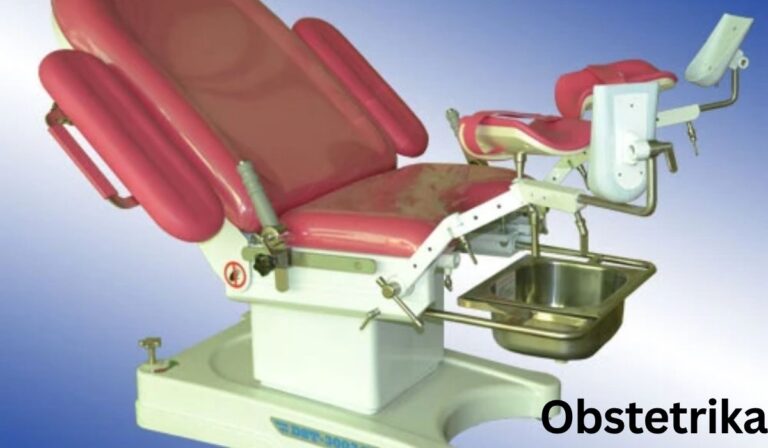
Obstetrika is one of the most important branches of modern healthcare, focusing on pregnancy, childbirth, and postpartum care. As medical science continues to evolve in 2026, Obstetrika has become more advanced, patient-centered, and technology-driven than ever before. The field plays a crucial role in ensuring the health and well-being of both mothers and babies throughout the pregnancy journey. From routine prenatal examinations to managing high-risk pregnancies and supporting safe deliveries, Obstetrika provides comprehensive care that contributes significantly to maternal and infant health outcomes.
In recent years, healthcare providers have adopted innovative approaches, including digital monitoring, advanced imaging technologies, genetic screening, and personalized treatment plans. These developments have transformed the way pregnancy and childbirth are managed. Understanding Obstetrika is valuable not only for healthcare professionals but also for expecting parents who want to make informed decisions throughout pregnancy. This comprehensive guide explores the key concepts, benefits, and medical advancements shaping Obstetrika in 2026.
Quick Information Table: Obstetrika at a Glance
| Information Category | Details |
|---|---|
| Medical Specialty | Obstetrics and Maternal Care |
| Primary Focus | Pregnancy, Childbirth, Postpartum Health |
| Main Patients | Pregnant Women and New Mothers |
| Key Objective | Safe Pregnancy and Healthy Delivery |
| Prenatal Care | Regular Monitoring and Health Assessments |
| Delivery Types | Vaginal Birth and Cesarean Section |
| Postpartum Care | Recovery and Maternal Support |
| Diagnostic Tools | Ultrasound, Blood Tests, Genetic Screening |
| High-Risk Pregnancy Management | Specialized Monitoring and Treatment |
| Technological Advancements | AI Monitoring, Telemedicine, Digital Records |
| Healthcare Professionals | Obstetricians, Midwives, Nurses |
| Maternal Health Focus | Physical and Emotional Well-Being |
| Infant Health Focus | Growth, Development, and Safety |
| Common Procedures | Prenatal Exams, Labor Management, Delivery |
| Future Trend | Personalized and Predictive Maternal Care |
What Is Obstetrika and Why Is It Important?
Obstetrika refers to the medical discipline dedicated to the care of women during pregnancy, labor, childbirth, and the postpartum period. Its primary purpose is to ensure the safety and health of both mother and baby throughout every stage of pregnancy. The field combines scientific knowledge, medical expertise, and patient-centered care to manage normal pregnancies and address complications when they arise. Obstetrika serves as a critical foundation for maternal healthcare systems worldwide because it directly influences maternal mortality rates, infant survival, and overall family well-being. In 2026, its importance continues to grow due to increasing awareness of maternal health, improved access to healthcare services, and advancements in medical technology that support better outcomes.
The Core Principles of Modern Obstetrika
Modern Obstetrika is built upon several key principles that guide patient care. These include prevention, early diagnosis, risk assessment, evidence-based treatment, and continuous monitoring. Healthcare providers focus on identifying potential complications before they become serious issues. Regular prenatal visits allow doctors to evaluate fetal growth, monitor maternal health, and provide guidance on nutrition, exercise, and lifestyle choices. Another important principle is individualized care, which recognizes that every pregnancy is unique. By tailoring treatment plans to the specific needs of each patient, healthcare providers can improve safety and satisfaction while reducing unnecessary interventions.
Prenatal Care: The Foundation of Healthy Pregnancies
Prenatal care remains one of the most essential components of Obstetrika. It involves scheduled medical appointments designed to monitor the progress of pregnancy and detect potential concerns at an early stage. During prenatal visits, healthcare professionals assess blood pressure, weight gain, fetal heartbeat, and overall maternal health. Blood tests and imaging studies provide additional information about the baby’s development and potential genetic conditions. Effective prenatal care also includes educational support, helping expectant mothers understand pregnancy changes, prepare for childbirth, and maintain healthy habits. Consistent prenatal monitoring has been proven to reduce complications and improve birth outcomes for both mother and child.
Advanced Diagnostic Technologies in Obstetrika
One of the most significant developments in Obstetrika has been the introduction of advanced diagnostic technologies. Modern ultrasound systems now provide highly detailed images that allow healthcare providers to assess fetal anatomy and development with remarkable accuracy. Genetic screening techniques help identify inherited conditions and chromosomal abnormalities early in pregnancy. Non-invasive prenatal testing has become increasingly popular because it offers reliable results with minimal risk to the mother and fetus. These technologies empower healthcare professionals to make informed decisions, develop personalized treatment plans, and provide reassurance to expecting parents throughout the pregnancy journey.
Managing High-Risk Pregnancies More Effectively
High-risk pregnancies require specialized attention and careful monitoring. Conditions such as diabetes, hypertension, multiple pregnancies, advanced maternal age, and previous pregnancy complications can increase the likelihood of health risks. Obstetrika specialists use advanced monitoring systems, comprehensive testing, and multidisciplinary care teams to manage these complex situations effectively. Early intervention strategies help prevent serious complications while supporting healthy fetal development. In 2026, predictive analytics and digital health tools allow healthcare providers to identify risks earlier than ever before, improving maternal and neonatal outcomes significantly.
The Role of Artificial Intelligence in Obstetrika
Artificial intelligence has become an influential force in modern Obstetrika. AI-powered systems can analyze vast amounts of medical data to identify patterns and predict potential complications. These tools assist healthcare professionals in making faster and more accurate clinical decisions. For example, AI can evaluate fetal monitoring data, identify abnormal heart rate patterns, and alert providers to possible concerns. Additionally, machine learning algorithms support risk assessment by analyzing patient histories and predicting outcomes. While AI does not replace medical expertise, it serves as a valuable support system that enhances patient safety and improves overall healthcare efficiency.
Telemedicine and Digital Maternal Healthcare
Telemedicine has transformed the way Obstetrika services are delivered. Virtual consultations provide convenient access to healthcare professionals, particularly for patients living in remote or underserved areas. Through secure digital platforms, expectant mothers can discuss symptoms, receive medical advice, review test results, and attend follow-up appointments without traveling long distances. Digital maternal healthcare also includes wearable devices that track vital signs, fetal movement, and other health indicators in real time. These innovations increase accessibility, encourage patient engagement, and ensure continuous monitoring throughout pregnancy.
Labor and Delivery Practices in 2026
The approach to labor and delivery has evolved considerably in recent years. Obstetrika now emphasizes patient-centered care that respects individual preferences while maintaining the highest standards of safety. Modern labor units offer advanced monitoring systems, pain management options, and supportive environments designed to enhance the childbirth experience. Healthcare providers work closely with patients to develop birth plans that align with their goals and medical needs. Whether through vaginal delivery or cesarean section, the primary objective remains the safe arrival of a healthy baby while minimizing risks to the mother.
Postpartum Care and Maternal Recovery
The postpartum period is a critical phase that extends beyond childbirth. Obstetrika professionals recognize the importance of supporting mothers during recovery and adjustment to parenthood. Postpartum care includes physical assessments, mental health evaluations, breastfeeding support, and guidance on newborn care. Early identification of postpartum depression, anxiety, and other emotional challenges is essential for long-term well-being. Comprehensive postpartum services help mothers recover more effectively, strengthen family bonds, and establish a healthy foundation for their new role as parents.
The Importance of Maternal Mental Health
Mental health has become a major focus within Obstetrika. Pregnancy and childbirth can bring significant emotional and psychological changes that affect overall well-being. Healthcare providers increasingly integrate mental health screenings into routine prenatal and postpartum care. Counseling services, support groups, and specialized interventions help address anxiety, depression, and stress-related conditions. By prioritizing emotional health alongside physical health, Obstetrika promotes a more holistic approach to maternal care and improves outcomes for both mothers and their families.
Personalized Medicine and Future Trends
Personalized medicine is shaping the future of Obstetrika by enabling healthcare providers to customize treatments based on individual patient characteristics. Genetic information, medical history, lifestyle factors, and health data contribute to more precise and effective care plans. Researchers continue to explore innovative therapies, predictive diagnostics, and preventive strategies that could further improve maternal and infant health outcomes. As technology advances, Obstetrika is expected to become increasingly proactive, focusing on prevention and early intervention rather than simply responding to complications after they occur.
Benefits of Modern Obstetrika for Families and Society
The benefits of modern Obstetrika extend beyond individual patients. Healthy pregnancies and successful deliveries contribute to stronger families, healthier communities, and reduced healthcare costs. Improved maternal care reduces the risk of complications, decreases hospital readmissions, and enhances long-term health outcomes. Families gain confidence through access to education, support services, and evidence-based medical care. Society as a whole benefits from lower maternal and infant mortality rates, improved public health, and greater healthcare efficiency. These positive impacts highlight the vital role Obstetrika plays in contemporary healthcare systems.
Conclusion
Obstetrika continues to be one of the most essential and rapidly evolving fields of medicine in 2026. By combining advanced technology, evidence-based practices, and compassionate patient care, it provides comprehensive support throughout pregnancy, childbirth, and postpartum recovery. Innovations such as artificial intelligence, telemedicine, genetic screening, and personalized medicine are transforming maternal healthcare and improving outcomes for mothers and babies alike. As healthcare systems continue to prioritize maternal and infant well-being, Obstetrika will remain at the forefront of medical progress, ensuring safer pregnancies, healthier births, and stronger families for future generations.
Frequently Asked Questions (FAQs)
1. What is Obstetrika?
Obstetrika is the medical specialty focused on pregnancy, childbirth, and postpartum care. It helps ensure the health and safety of both mothers and babies through monitoring, diagnosis, treatment, and support during every stage of pregnancy and delivery.
2. Why is prenatal care important in Obstetrika?
Prenatal care allows healthcare providers to monitor fetal development, detect complications early, and guide mothers on healthy lifestyle choices. Regular checkups significantly improve pregnancy outcomes and reduce the risk of medical complications.
3. How has technology improved Obstetrika in 2026?
Technology has enhanced Obstetrika through advanced ultrasound imaging, genetic testing, artificial intelligence, telemedicine, wearable monitoring devices, and electronic health records. These innovations support earlier diagnoses and more personalized care.
4. What are high-risk pregnancies?
High-risk pregnancies involve factors that increase the likelihood of complications for the mother or baby. Examples include diabetes, hypertension, multiple pregnancies, advanced maternal age, and previous pregnancy-related health issues. Specialized care helps manage these risks effectively.
5. What does postpartum care include?
Postpartum care includes physical recovery assessments, mental health support, breastfeeding guidance, newborn care education, and ongoing monitoring of maternal well-being. Comprehensive postpartum care helps mothers recover safely and adjust to life after childbirth.
