

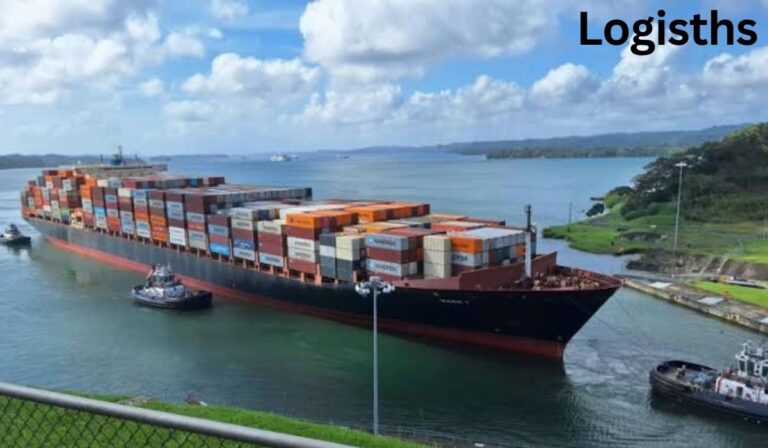
Logisths is one of the most important systems powering modern global trade, business operations, and supply chain efficiency. In 2026, Logisths has evolved into a highly advanced network of planning, executing, and controlling the movement of goods, services, and information. From manufacturing units to end consumers, Logisths ensures that everything arrives at the right place, at the right time, and in the most cost-effective way. Without proper Logisths systems, global businesses would face delays, shortages, and massive operational inefficiencies. This article explains how Logisths works in detail, its structure, components, challenges, and future importance in modern industries.
Quick Information Table: Logisths Overview
| Data Point | Description |
|---|---|
| Term | Logisths |
| Core Purpose | Efficient movement of goods and services |
| Main Function | Supply chain coordination |
| Key Users | Businesses, manufacturers, retailers |
| Industry Role | Global trade support system |
| Key Components | Transport, warehousing, inventory |
| Technology Used | AI, automation, tracking software |
| Operational Level | Local and international |
| Cost Factor | Transportation + storage + labor |
| Time Factor | Delivery speed optimization |
| Risk Factor | Delays, disruptions, shortages |
| Optimization Goal | Reduce cost and improve speed |
| Modern Trend | Smart digital Logisths systems |
| 2026 Focus | Automation and real-time tracking |
| Economic Impact | Strong influence on global economy |
1. Understanding the Core Concept of Logisths
Logisths refers to the structured process of planning, implementing, and managing the movement and storage of goods, services, and related information. At its core, Logisths is about efficiency and coordination. It connects suppliers, manufacturers, distributors, and customers into one synchronized system. In 2026, Logisths is no longer just about transportation; it includes data management, predictive analytics, and real-time decision-making. Companies rely heavily on Logisths to ensure smooth operations and customer satisfaction. Without a strong Logisths system, even the best products can fail in the market due to poor delivery or supply chain breakdowns.
2. How Logisths Works in Modern Systems
The working process of Logisths involves multiple stages that function together in a continuous cycle. It starts with demand forecasting, where businesses predict what customers will need. Then comes procurement, where raw materials are sourced. After that, production and warehousing take place, followed by transportation and final delivery. Each step in Logisths is carefully monitored using software systems that track movement and performance. In modern Logisths, automation plays a key role, helping reduce human error and improve accuracy. The entire system works like a connected network where every action affects the next stage.
3. Supply Chain Flow in Logisths
Supply chain flow is the backbone of Logisths operations. It represents the movement of goods from raw material suppliers to end users. In Logisths, this flow is divided into upstream and downstream processes. Upstream includes sourcing materials and production, while downstream focuses on distribution and delivery. Effective Logisths ensures that each stage flows smoothly without interruption. Any delay in one part can affect the entire system. Modern businesses use digital Logisths platforms to track supply chain movement in real time, ensuring better control and transparency across all operations.
4. Warehousing and Storage in Logisths
Warehousing is a critical part of Logisths that deals with storing goods safely before they are distributed. In modern Logisths systems, warehouses are highly automated and equipped with smart inventory systems. Products are categorized, tracked, and managed using digital tools that reduce manual errors. Efficient Logisths warehousing ensures that goods are always available when needed, preventing shortages or overstocking. Temperature-controlled storage, robotic handling systems, and AI-based inventory tracking are now common in advanced Logisths facilities. This improves efficiency and reduces operational costs significantly.
5. Transportation Systems in Logisths
Transportation is one of the most visible parts of Logisths. It involves moving goods from warehouses to retailers or directly to customers. Logisths transportation includes road, air, sea, and rail networks depending on distance and urgency. In 2026, smart tracking systems allow businesses to monitor vehicles in real time. Route optimization technology helps reduce fuel consumption and delivery time. Logisths also ensures proper packaging and handling to avoid product damage during transit. Efficient transportation is essential for maintaining customer trust and business reputation in competitive markets.
6. Inventory Management in Logisths
Inventory management plays a major role in Logisths efficiency. It ensures that the right amount of stock is available at the right time. Poor inventory management can lead to either shortages or excessive storage costs. Modern Logisths uses AI-driven systems to predict demand and adjust inventory levels automatically. Barcode scanning, RFID tags, and cloud-based tracking systems are widely used in 2026. These technologies help businesses maintain accurate records and reduce waste. Effective Logisths inventory management leads to better financial control and smoother operations.
7. Technology Integration in Logisths
Technology has transformed Logisths into a highly advanced and intelligent system. Artificial intelligence, machine learning, blockchain, and IoT devices are now widely used in Logisths operations. These technologies help in tracking shipments, predicting delays, and improving decision-making. Automated warehouses use robots for sorting and packaging goods, while AI systems analyze data to improve efficiency. In 2026, Logisths is heavily dependent on digital transformation, making it faster, smarter, and more reliable than traditional systems. Technology ensures transparency and reduces human errors significantly.
8. Logisths Management Roles and Responsibilities
Logisths management involves overseeing the entire supply chain process from start to finish. Managers in Logisths are responsible for planning transportation routes, managing warehouses, coordinating with suppliers, and ensuring timely deliveries. They also analyze data to improve efficiency and reduce costs. In modern Logisths systems, managers rely on digital dashboards that provide real-time updates. Strong communication and decision-making skills are essential in Logisths management. These professionals ensure that all parts of the supply chain work together smoothly and efficiently.
9. Cost Optimization in Logisths
One of the main goals of Logisths is cost reduction while maintaining efficiency. Businesses constantly look for ways to reduce transportation, storage, and operational costs. Logisths systems help identify inefficiencies and suggest better alternatives. For example, route optimization reduces fuel expenses, while smart inventory systems reduce storage costs. Automation also lowers labor expenses in Logisths operations. In 2026, companies use predictive analytics to make cost-effective decisions. Proper Logisths planning ensures that businesses remain competitive in a fast-changing global market.
10. Global Trade and Future Trends in Logisths
Logisths plays a major role in global trade by connecting international markets. It allows goods to move across countries quickly and efficiently. In 2026, global Logisths is driven by digital platforms, real-time tracking, and smart supply chains. Future trends include autonomous delivery vehicles, drone transportation, and fully automated warehouses. Sustainability is also becoming a major focus in Logisths, with companies adopting eco-friendly transportation methods. As global demand increases, Logisths will continue to evolve into a more intelligent and sustainable system that supports worldwide economic growth.
11. Challenges in Logisths Systems
Despite its advancements, Logisths still faces several challenges. These include supply chain disruptions, rising fuel costs, labor shortages, and unpredictable demand. Global events such as pandemics or political conflicts can also affect Logisths operations. Additionally, managing complex international networks requires advanced coordination and technology. Cybersecurity threats are another growing concern in digital Logisths systems. Businesses must continuously improve their Logisths strategies to overcome these challenges and maintain smooth operations in a highly competitive environment.
12. Future of Logisths in 2026 and Beyond
The future of Logisths is highly digital and automated. In 2026, companies are investing heavily in AI-powered systems, autonomous delivery solutions, and smart logistics platforms. Real-time data analytics will become even more important in decision-making. Sustainability will also shape the future of Logisths, with electric vehicles and green supply chains becoming standard. As technology continues to evolve, Logisths will become faster, more accurate, and more cost-efficient. Businesses that adapt to these changes will gain a strong competitive advantage in the global market.
13. Final Thoughts on Logisths
Logisths is the backbone of modern business and global trade. It connects every stage of the supply chain and ensures that goods and services move efficiently across the world. From warehousing and transportation to technology integration and cost management, Logisths plays a critical role in every industry. In 2026, its importance is greater than ever due to digital transformation and global demand. Businesses that invest in strong Logisths systems can achieve higher efficiency, better customer satisfaction, and long-term success in competitive markets.
Frequently Asked Questions (FAQs)
1. What is Logisths in simple words?
Logisths is the process of managing how goods and services are stored and transported from one place to another efficiently.
2. Why is Logisths important for businesses?
It helps businesses deliver products on time, reduce costs, and improve customer satisfaction through efficient supply chain management.
3. What are the main components of Logisths?
The main components include transportation, warehousing, inventory management, and supply chain coordination.
4. How does technology improve Logisths?
Technology improves Logisths by enabling real-time tracking, automation, AI forecasting, and better decision-making.
5. What is the future of Logisths?
The future of Logisths includes automation, AI-driven systems, sustainable transport, and smart global supply networks.
