

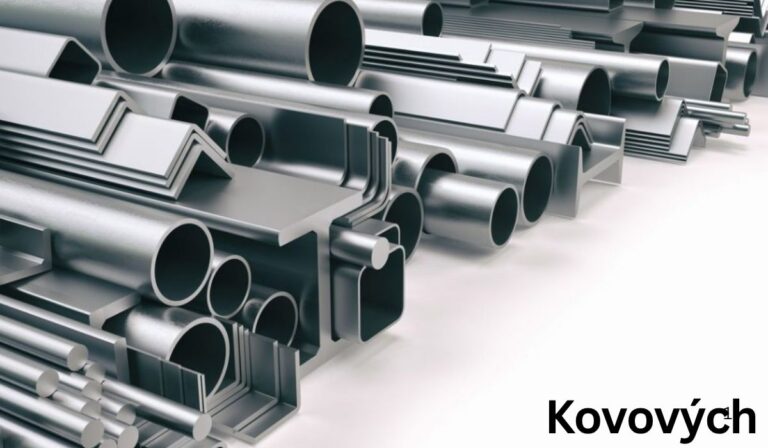
The term Kovových has been gaining attention across various industries, online discussions, and technological communities in recent years. As new innovations continue to reshape the global economy, concepts and systems associated with Kovových are becoming increasingly relevant. Whether you have encountered the term while researching modern manufacturing, industrial development, engineering solutions, or emerging technologies, understanding Kovových can help you stay informed about current trends and future opportunities.
In 2026, Kovových is viewed as a versatile concept that reflects efficiency, durability, innovation, and adaptability. Organizations, professionals, and researchers are exploring its applications in different sectors due to its potential to improve productivity and support long-term growth. This comprehensive guide explains what Kovových is, how it works, its major benefits, practical applications, and why it continues to attract attention worldwide.
Quick Information Table
| Information Category | Details |
|---|---|
| Term | Kovových |
| Primary Focus | Industrial and technological applications |
| Popularity Growth | Increasing in 2026 |
| Main Advantage | Efficiency and durability |
| Key Users | Businesses, engineers, manufacturers |
| Common Applications | Production, design, innovation |
| Technology Integration | High |
| Sustainability Potential | Significant |
| Cost Efficiency | Moderate to high |
| Scalability | Excellent |
| Learning Curve | Moderate |
| Future Demand | Expected to increase |
| Innovation Level | Advanced |
| Industry Relevance | Broad and diverse |
| Long-Term Value | Strong |
Understanding the Meaning of Kovových
Kovových is generally associated with modern industrial processes, advanced materials, and innovative systems designed to improve performance and reliability. Although interpretations may vary depending on the context, the core idea behind Kovových revolves around creating stronger, more efficient, and more adaptable solutions for contemporary challenges. In today’s competitive environment, organizations seek methods that enhance productivity while reducing waste and operational costs. Kovových represents this balance by promoting practical improvements and sustainable development. As industries continue to evolve, the importance of concepts like Kovových grows because they support both technological advancement and economic progress. This makes it a valuable subject for businesses, researchers, and decision-makers who want to remain competitive in a rapidly changing world.
The History and Evolution of Kovových
The development of Kovových can be linked to broader industrial and technological advancements that have taken place over several decades. Early approaches focused primarily on improving durability and functionality, while later innovations introduced greater precision, automation, and efficiency. As digital technologies became more integrated into industrial operations, the principles associated with Kovových evolved to accommodate new requirements and expectations. By 2026, Kovových has become a modern framework that combines traditional strengths with cutting-edge innovations. This evolution reflects the growing need for solutions that can adapt to changing market demands, environmental concerns, and technological opportunities. Understanding this history provides valuable insight into why Kovových remains relevant and how it continues to shape future developments.
Why Kovových Is Important in 2026
The significance of Kovových in 2026 stems from its ability to address many of the challenges faced by modern organizations. Businesses today must balance efficiency, sustainability, quality, and profitability. Kovových contributes to these objectives by supporting streamlined processes, better resource management, and improved performance outcomes. As competition increases across industries, companies are seeking innovative approaches that provide measurable advantages. Kovových helps meet these expectations by encouraging continuous improvement and adaptability. Furthermore, global trends such as automation, digital transformation, and environmental responsibility have created conditions where concepts like Kovových are more valuable than ever before. Its relevance continues to grow because it aligns with the strategic priorities of many industries.
Key Features of Kovových
One of the primary reasons Kovových has gained popularity is its unique combination of features. These characteristics contribute to its effectiveness across a wide range of applications. Among the most notable features are durability, flexibility, scalability, efficiency, and compatibility with modern technologies. Durability ensures long-lasting performance, reducing maintenance and replacement costs. Flexibility allows users to adapt solutions to different requirements and operational environments. Scalability makes it easier for organizations to expand their systems without major disruptions. Efficiency supports productivity improvements, while technological compatibility enables integration with digital tools and advanced processes. Together, these features create a comprehensive framework that delivers value to both small organizations and large enterprises.
Major Benefits of Using Kovových
The benefits of Kovových extend far beyond simple operational improvements. Organizations that adopt principles associated with Kovových often experience enhanced productivity, reduced costs, improved quality control, and greater customer satisfaction. Another significant advantage is its ability to support long-term sustainability goals. By optimizing resource utilization and minimizing waste, Kovových contributes to environmentally responsible practices. Additionally, businesses can gain competitive advantages through innovation and improved performance. Employees may also benefit from safer and more efficient working conditions. These advantages demonstrate why interest in Kovových continues to expand across multiple sectors and why experts predict ongoing growth in its adoption throughout the coming years.
Industrial Applications of Kovových
Industrial environments represent one of the most important areas where Kovových principles are applied. Manufacturing facilities, production centers, engineering firms, and processing plants often rely on systems that emphasize efficiency, precision, and reliability. Kovových supports these objectives by improving workflow management, reducing downtime, and enhancing product quality. In many cases, organizations use Kovových-based strategies to optimize production processes and maintain consistent performance standards. These applications can lead to significant operational improvements and financial benefits. As industrial technologies continue to advance, the role of Kovových is expected to become even more important in supporting modern production requirements and business objectives.
Kovových and Technological Innovation
Technology plays a central role in the growing influence of Kovových. Modern digital tools, automation systems, artificial intelligence, and data analytics have created new opportunities for innovation. Kovových aligns well with these technologies because it emphasizes efficiency, adaptability, and continuous improvement. Organizations can use advanced monitoring systems to collect performance data, identify opportunities for optimization, and make informed decisions. This integration enhances both productivity and reliability. Furthermore, emerging technologies continue to expand the potential applications of Kovových, creating opportunities for further innovation and growth. As technological capabilities improve, the connection between Kovových and digital transformation is likely to strengthen even further.
The Role of Kovových in Sustainability
Sustainability has become a major priority for businesses and governments around the world. Kovových contributes to sustainability efforts by promoting efficient resource management, reducing waste, and supporting environmentally responsible practices. Many organizations are under pressure to minimize their environmental impact while maintaining profitability and growth. Kovových helps address this challenge by encouraging smarter processes and better utilization of available resources. Sustainable practices not only benefit the environment but also improve organizational reputation and long-term financial performance. As environmental regulations and consumer expectations continue to evolve, the sustainability advantages associated with Kovových will likely become even more valuable.
Challenges Associated with Kovových
Despite its many advantages, implementing Kovových principles can present certain challenges. Organizations may face initial investment costs, training requirements, and the need for operational adjustments. Some businesses may encounter resistance to change when introducing new systems or methodologies. Additionally, successful implementation often requires careful planning, ongoing monitoring, and commitment from leadership teams. However, these challenges are generally manageable when organizations adopt a structured approach and invest in appropriate resources. The long-term benefits frequently outweigh the short-term difficulties, making Kovových a worthwhile consideration for businesses seeking sustainable growth and improved performance.
Future Trends Shaping Kovových
Several emerging trends are expected to influence the future development of Kovových. Artificial intelligence, machine learning, advanced automation, and smart manufacturing technologies are creating new possibilities for innovation. These technologies can enhance efficiency, improve decision-making, and support more sophisticated operational strategies. Additionally, increased focus on sustainability and resource optimization will likely drive further interest in Kovových-related solutions. Global economic shifts and changing consumer expectations may also contribute to new applications and opportunities. Experts anticipate that Kovových will continue evolving as organizations seek ways to remain competitive and adapt to future challenges.
How Businesses Can Benefit from Kovových
Businesses of all sizes can potentially benefit from adopting Kovových principles. Small organizations may use it to improve efficiency and reduce operational costs, while larger enterprises can leverage it to optimize complex processes and support large-scale innovation initiatives. Effective implementation often begins with assessing current operations, identifying improvement opportunities, and developing a clear strategy. Training employees and investing in appropriate technologies can further enhance results. Organizations that successfully integrate Kovových into their operations may experience stronger performance, greater adaptability, and improved long-term competitiveness. These advantages make Kovových an attractive option for companies seeking sustainable success.
Why Kovových Will Continue to Grow
The growing popularity of Kovových is not simply a temporary trend. Its emphasis on efficiency, innovation, sustainability, and adaptability aligns closely with the priorities of modern organizations. As industries continue to evolve, the demand for solutions that deliver measurable value is expected to increase. Kovových offers a practical framework for addressing many of the challenges associated with growth, competition, and technological change. Its broad applicability across multiple sectors further strengthens its long-term potential. For these reasons, experts believe that Kovových will remain an important topic of discussion and development throughout 2026 and beyond.
Conclusion
Kovových has emerged as an important concept in the modern industrial and technological landscape. Its focus on efficiency, durability, innovation, and sustainability makes it highly relevant for organizations seeking long-term success. From manufacturing and engineering to digital transformation and environmental responsibility, the applications of Kovových continue to expand. While implementation may involve certain challenges, the potential benefits often justify the investment. As technology advances and global priorities evolve, Kovových is expected to play an increasingly significant role in shaping future solutions. Understanding its principles, features, and applications can help individuals and organizations make informed decisions and take advantage of emerging opportunities in 2026 and beyond.
Frequently Asked Questions (FAQs)
1. What is Kovových?
Kovových is a modern concept commonly associated with industrial efficiency, technological innovation, and sustainable development. It focuses on improving performance, optimizing resources, and supporting long-term growth through adaptable and reliable systems.
2. Why is Kovových important in 2026?
Kovových is important because it addresses key business challenges such as productivity, cost management, sustainability, and technological integration. Its principles align closely with current industry trends and future development goals.
3. What are the main benefits of Kovových?
The primary benefits include increased efficiency, reduced operational costs, improved quality, greater scalability, enhanced sustainability, and stronger competitiveness. These advantages make it valuable across various industries.
4. Which industries use Kovových?
Industries such as manufacturing, engineering, technology, logistics, production, and industrial services can benefit from Kovových. Its adaptable nature allows it to support a wide range of operational requirements.
5. What is the future of Kovových?
The future of Kovových appears promising due to advancements in automation, artificial intelligence, sustainability initiatives, and digital transformation. Experts expect its applications and influence to continue growing throughout the coming years.
