

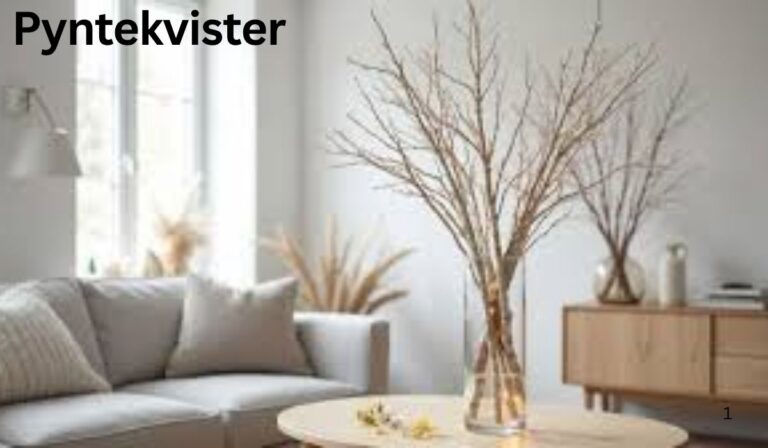
Home decoration trends continue to evolve, but some design elements remain timeless because of their simplicity, elegance, and versatility. One such decorative element gaining attention in modern interiors is Pyntekvister. The term is commonly associated with decorative branches used for interior styling, seasonal decorations, and creative design arrangements. Whether natural, dried, artificial, painted, or illuminated, Pyntekvister can transform an ordinary space into a visually appealing and sophisticated environment.
In recent years, homeowners, interior designers, and décor enthusiasts have increasingly incorporated decorative branches into living rooms, offices, hotels, restaurants, and event spaces. Their natural appearance brings warmth and texture while complementing various design styles, including Scandinavian, minimalist, rustic, contemporary, and luxury interiors. Because they are affordable, eco-friendly, and highly customizable, decorative branches have become a preferred choice for those seeking elegant décor without overwhelming a room.
This comprehensive guide explores everything you need to know about Pyntekvister, including their meaning, types, benefits, styling techniques, maintenance requirements, seasonal applications, and future trends in 2026.
Quick Information Table
| Information Category | Details |
|---|---|
| Name | Pyntekvister |
| Meaning | Decorative branches used in interior design |
| Main Purpose | Home and commercial decoration |
| Common Materials | Natural wood, dried branches, artificial materials |
| Popular Design Style | Scandinavian décor |
| Indoor Usage | Living rooms, bedrooms, offices, hallways |
| Outdoor Usage | Gardens, patios, event spaces |
| Maintenance Level | Low |
| Eco-Friendly Option | Yes, especially natural branches |
| Cost Range | Budget-friendly to premium |
| DIY Friendly | Highly suitable for DIY projects |
| Seasonal Decoration | Excellent for all seasons |
| Trend Status in 2026 | Growing popularity worldwide |
| Customization Options | Paint, lights, ornaments, flowers |
| Lifespan | Months to years depending on material |
Understanding the Meaning of Pyntekvister
Pyntekvister refers to decorative branches that are intentionally arranged or displayed for aesthetic purposes. These branches may come from trees, shrubs, or specially crafted artificial materials designed to imitate natural wood. Unlike ordinary branches found outdoors, decorative branches are selected or created to enhance visual appeal. They are often cleaned, preserved, painted, or decorated to suit specific interior themes. In many modern homes, Pyntekvister serve as artistic focal points that add height, texture, and natural beauty to a room. Their versatility allows them to fit seamlessly into numerous decorating styles while maintaining a sophisticated and organic appearance.
The Growing Popularity of Pyntekvister in 2026
The popularity of Pyntekvister has grown significantly due to changing preferences in interior design. Many homeowners now seek décor elements that create a connection between indoor spaces and nature. Decorative branches achieve this goal without requiring extensive maintenance. In 2026, sustainability and minimalist design continue to influence decorating trends, making Pyntekvister a practical and stylish choice. Social media platforms, design magazines, and home improvement blogs frequently showcase creative branch arrangements that inspire people to incorporate natural elements into their homes. As a result, decorative branches are becoming increasingly common in both residential and commercial settings.
Different Types of Pyntekvister Available Today
There are numerous varieties of decorative branches available to suit different aesthetic preferences. Natural branches are often collected, dried, and preserved to maintain their appearance. Artificial branches are manufactured using materials such as plastic, resin, and metal to replicate natural textures. Painted branches offer additional customization opportunities, while illuminated branches feature built-in LED lights that create ambient lighting effects. Flowering decorative branches add color and elegance to spaces, making them popular for weddings and seasonal decorations. Each type offers unique advantages, allowing decorators to select options that align with their design goals and budgets.
Why Decorative Branches Are Important in Interior Design
Decorative branches play an important role in creating visual balance and adding dimension to interior spaces. Large rooms often benefit from vertical decorative elements that draw the eye upward and make ceilings appear higher. Pyntekvister achieve this effect naturally and elegantly. They can soften modern interiors, complement traditional furnishings, and enhance minimalist spaces without creating clutter. Designers frequently use decorative branches to fill empty corners, create focal points, and add texture to otherwise plain environments. Their ability to blend with various materials such as wood, metal, glass, and stone makes them one of the most adaptable décor elements available.
Benefits of Using Pyntekvister in Home Decoration
One of the greatest advantages of Pyntekvister is their versatility. Decorative branches can be used throughout the home and adapted to different styles and seasons. They require minimal maintenance, making them ideal for busy households. Many natural branches are environmentally friendly and sustainable when sourced responsibly. Decorative branches are also cost-effective compared to large decorative sculptures or expensive artwork. Additionally, they offer endless opportunities for customization through paint, ornaments, lights, flowers, ribbons, and seasonal accessories. Their ability to provide elegance without excessive spending contributes significantly to their growing popularity.
Best Rooms for Displaying Pyntekvister
Decorative branches can enhance virtually every room in a home. In living rooms, they create impressive focal points when displayed in large floor vases. Bedrooms benefit from their calming natural appearance, which contributes to a relaxing atmosphere. Dining rooms gain sophistication through carefully arranged centerpieces featuring decorative branches. Entryways become more welcoming when adorned with elegant branch displays. Home offices can also benefit from Pyntekvister because natural-inspired décor often promotes a sense of comfort and productivity. The adaptability of decorative branches allows them to improve both small and large spaces with equal effectiveness.
How to Choose the Right Pyntekvister for Your Space
Selecting the appropriate decorative branches depends on several factors, including room size, color palette, design theme, and desired visual impact. Large branches work best in spacious areas with high ceilings, while smaller arrangements suit compact rooms and tabletops. Homeowners should consider whether they prefer a natural appearance or a more artistic presentation featuring painted or illuminated branches. Matching branch colors to existing décor helps create a cohesive look. Additionally, the choice between real and artificial branches often depends on maintenance preferences, budget considerations, and long-term durability requirements.
Creative Ways to Style Pyntekvister
Styling decorative branches offers unlimited creative possibilities. A popular approach involves placing tall branches in oversized vases to create dramatic visual statements. Others prefer decorating branches with hanging ornaments, fairy lights, or seasonal accessories. Branches can be painted in metallic shades such as gold, silver, or bronze to achieve a luxurious appearance. Combining decorative branches with dried flowers, pampas grass, or greenery creates attractive mixed arrangements. Some homeowners even mount decorative branches on walls as artistic installations. These creative techniques demonstrate the versatility of Pyntekvister in modern decorating.
Seasonal Decorating Ideas Using Pyntekvister
One reason decorative branches remain popular throughout the year is their adaptability to seasonal themes. During spring, branches can be decorated with flowers and pastel-colored ornaments. Summer arrangements often feature bright colors and lightweight decorative accents. Autumn displays may incorporate leaves, pumpkins, and warm earth tones. Winter decorations frequently include snow-inspired elements, white paint, and LED lighting. Holiday celebrations become more festive when decorative branches are adorned with themed ornaments and decorations. This seasonal flexibility allows homeowners to refresh their interiors without purchasing entirely new décor collections.
Maintaining and Caring for Decorative Branches
Proper maintenance ensures that decorative branches remain attractive and durable over time. Natural branches should be cleaned regularly to remove dust and prevent deterioration. Preserved branches may occasionally require gentle wiping with a soft cloth. Artificial branches generally require even less maintenance and can often be cleaned with a damp cloth. Branches exposed to direct sunlight for extended periods may experience fading, particularly if painted. Proper storage during off-seasons helps preserve their appearance and structural integrity. By following simple maintenance practices, homeowners can enjoy decorative branches for many years.
Sustainable and Eco-Friendly Decorating with Pyntekvister
As environmental awareness continues to increase, many people seek sustainable decorating options. Pyntekvister align well with eco-friendly design principles because natural branches can often be sourced responsibly and reused repeatedly. Unlike disposable decorative items, branches provide long-lasting beauty with minimal environmental impact. Many DIY enthusiasts collect fallen branches rather than purchasing new materials, reducing waste while creating unique decorations. Sustainable decorating practices not only benefit the environment but also encourage creativity and resourcefulness. This combination of beauty and responsibility makes decorative branches particularly appealing in 2026.
Common Mistakes to Avoid When Decorating with Pyntekvister
Although decorative branches are relatively easy to use, certain mistakes can reduce their visual effectiveness. Overcrowding arrangements with excessive ornaments may create a cluttered appearance. Choosing branches that are too large or too small for a room can disrupt visual balance. Ignoring color coordination may result in décor that feels disconnected from the surrounding environment. Poor-quality artificial branches may appear unrealistic and diminish the overall aesthetic. Additionally, neglecting regular cleaning can cause decorative branches to lose their visual appeal. Avoiding these common mistakes helps ensure successful and elegant displays.
Future Trends for Pyntekvister in Interior Design
The future of decorative branches appears exceptionally promising as designers continue exploring innovative ways to integrate natural elements into modern spaces. Smart lighting technology is increasingly being incorporated into decorative branch arrangements, creating interactive and customizable displays. Sustainable sourcing practices are expected to become even more important as consumers prioritize environmentally responsible products. Personalized decorative branches tailored to individual tastes and design themes are also gaining popularity. As home décor trends continue emphasizing wellness, nature, and simplicity, Pyntekvister are likely to remain a significant feature in contemporary interior design for years to come.
Conclusion
Pyntekvister represent far more than simple decorative branches. They embody a design philosophy that combines natural beauty, creativity, versatility, and sustainability. Whether used in minimalist apartments, luxurious homes, commercial spaces, or seasonal celebrations, decorative branches offer an elegant solution for enhancing interior environments. Their affordability, adaptability, and low-maintenance nature make them accessible to a wide range of homeowners and designers.
As we move through 2026, the popularity of Pyntekvister continues to grow because they perfectly align with modern preferences for nature-inspired living spaces. By understanding their various types, styling possibilities, and maintenance requirements, anyone can successfully incorporate decorative branches into their décor and create visually stunning environments that feel both timeless and contemporary.
Frequently Asked Questions (FAQs)
1. What does Pyntekvister mean?
Pyntekvister generally refers to decorative branches used for aesthetic purposes in interior and exterior design. These branches may be natural, dried, preserved, painted, or artificial and are commonly displayed in vases, wall installations, and seasonal decorations to enhance visual appeal.
2. Are Pyntekvister suitable for modern homes?
Yes. Decorative branches are extremely popular in modern homes because they complement minimalist, Scandinavian, contemporary, and even luxury design styles. Their natural appearance adds texture and elegance without creating visual clutter, making them ideal for modern interiors.
3. Can I create DIY Pyntekvister decorations?
Absolutely. Many homeowners collect natural branches and transform them into decorative pieces through cleaning, painting, preserving, and decorating. DIY Pyntekvister projects are affordable, environmentally friendly, and allow complete creative freedom for personalized home décor.
4. How long do decorative branches last?
The lifespan depends on the material used. Properly preserved natural branches can last for several years, while high-quality artificial branches may remain attractive for even longer. Regular cleaning and proper storage significantly extend their durability and appearance.
5. Why are Pyntekvister becoming popular in 2026?
Their popularity is driven by increasing interest in sustainable living, nature-inspired interiors, and minimalist decorating trends. Decorative branches provide an affordable, versatile, and eco-friendly way to enhance living spaces while maintaining a stylish and sophisticated appearance.
